

What is Social Media Marketing?
Social media marketing and advertising are important for growing a business online.
Definition and Core Concept
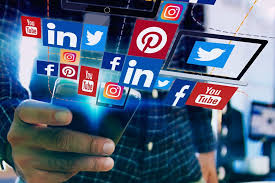
Social media marketing promotes products, services, or personal brands through platforms like Facebook, Instagram, TikTok, and LinkedIn. It follows users online, making brands highly visible. It is not only about posting pictures or writing captions. It is also about building relationships, sharing stories, and connecting with your audience in a meaningful way. You can think of it as a continuous online conversation where people can connect with your brand anytime, anywhere.
Social media marketing goes far beyond simple promotion. It involves strategy, research, content creation, and analysis. Businesses use it to grow brand awareness, generate leads, drive traffic, and boost sales. The real magic is its direct, personalized connections with users. Rather than shouting like ads, social media lets brands “talk” and “listen” simultaneously. This two-way communication makes it so powerful and effective today.
Evolution of Social Media Platforms
Social media didn’t start as a marketing powerhouse. In the early days, platforms were simply tools for connecting with friends and sharing updates. Fast forward to today, and these platforms have become billion-dollar ecosystems. Businesses now compete for users’ attention. This growth has been driven by more users, better algorithms, and new advertising tools.
Platforms now prioritize engaging content, meaning brands must be creative, authentic, and consistent. Features like stories, reels, live streaming, and AI-powered feeds have changed how people consume content.
Today, businesses no longer depend only on billboards or TV ads. Instead, they invest more in social media marketing because that is where most of their audience spends time. It’s like moving from a crowded marketplace to a global stage where millions are watching.
After understanding how platforms and strategies have grown, it’s important to distinguish between social media marketing and advertising.
Social Media Marketing vs Advertising (Paid vs Organic Marketing)
Social media marketing and social media advertising are not the same. Marketing is free content you post, like photos, videos, and updates, to engage people. Advertising means you pay to show your content to a specific audience. Both work together to grow your brand.
Organic reach has declined over time due to algorithm changes, making advertising almost essential for businesses that want visibility. Paid ads allow you to reach people who don’t already follow you, giving your brand a significant growth boost. Imagine throwing a party—organic marketing is inviting your friends, while advertising is inviting the entire neighborhood.
Key Advertising Formats
Social media advertising offers a wide range of formats designed to capture attention and drive action. These include image ads, video ads, carousel ads, story ads, and even interactive ads like polls or quizzes. Each format serves a different purpose depending on your marketing goals.
Video ads work well because they use visuals, sound, and storytelling together. Carousel ads let users swipe through different products, which is great for online shops. Story ads look natural and don’t interrupt the user’s feed. Choosing the right ad type can improve results because it affects how people engage with your content.
Why Social Media Marketing and Advertising is Important
Global User Statistics
Social media has become a massive part of everyday life. As of 2026, there are over 5 billion active social media users worldwide, meaning more than half of the global population is online. The average user spends around 2.5 hours per day scrolling through feeds, watching videos, and interacting with content. That’s an enormous opportunity for businesses to connect with potential customers.
These numbers highlight one simple truth—if your business isn’t on social media, you’re missing out on a huge audience. It’s like opening a shop in the middle of nowhere instead of a busy city center. Social media platforms act as digital marketplaces where people discover new brands, products, and ideas every day.
Business Growth Impact
Social media marketing isn’t just about visibility; it directly impacts business growth. Companies that actively use social media report higher customer engagement, increased brand loyalty, and better conversion rates. It allows small businesses to compete with larger brands by leveling the playing field.
One of the biggest advantages is cost-effectiveness. Social media ads cost less than traditional ads. They also give fast results. You can track performance in real time and change your strategy quickly for better results. It’s like having a GPS for your marketing journey—you always know where you are and where to go next.
Popular Social Media Platforms for Marketing
Facebook Marketing
Facebook is still one of the best platforms for marketing. It helps businesses reach many people easily. You can target users by age, location, interests, and behavior. Facebook groups and pages also help build communities around brands.
Instagram Marketing
Instagram is all about visuals. It’s perfect for brands that rely on aesthetics, such as fashion, food, and travel. Features like reels and stories make it easy to create engaging content that captures attention quickly.
TikTok Marketing
TikTok has changed the way people create content by making short videos popular. Its algorithm favors creativity and authenticity, making it possible for even small accounts to go viral. Brands that embrace trends and storytelling often see massive engagement.
LinkedIn Marketing
LinkedIn is a top choice for B2B marketing.It ’s ideal for networking, professional branding, and generating leads. Businesses use it to share industry insights, case studies, and company updates.
How Social Media Advertising Works
Targeting Audience
One of the most powerful features of social media advertising is audience targeting. Advertisers can define their audience based on demographics, interests, online behavior, and even past interactions. This ensures that ads are shown to people who are most likely to be interested in the product or service.
Ad Auction System
Social media platforms use an auction system to determine which ads are shown. Advertisers bid for placements, but it’s not just about who pays the most. Factors like ad quality, relevance, and engagement also play a role. This means even small businesses can compete if they create high-quality ads.
Creating a Social Media Marketing and Advertising Strategy
Setting Goals
Every successful strategy starts with clear goals. Whether it’s increasing brand awareness, generating leads, or boosting sales, defining objectives helps guide your efforts. Without goals, marketing becomes directionless.
Content Planning
Content is the heart of social media marketing. Planning ensures consistency and quality. A good content strategy includes a mix of educational, entertaining, and promotional posts to keep the audience engaged.
Types of Social Media Marketing Content and Advertising
Visual Content
Images, infographics, and graphics are essential for grabbing attention. Visual content is processed faster by the brain, making it highly effective for communication.
Video Marketing
Video content dominates social media. Short videos, live streams, and tutorials help brands connect with audiences on a deeper level. It’s like storytelling in motion—engaging and memorable.
Budgeting for Social Media Ads
Cost Factors
The cost of social media advertising depends on factors like audience size, competition, and ad quality. Businesses can start with small budgets and scale up based on performance.
ROI Measurement
Measuring return on investment (ROI) is crucial. Metrics like engagement rate, click-through rate, and conversions help evaluate campaign success.
| Metric | Description |
| CTR | Click-through rate |
| CPC | Cost per click |
| ROI | Return on investment |
Common Mistakes to Avoid
Many businesses start social media marketing without a clear plan and get poor results. Common mistakes are posting irregularly, ignoring analytics, and focusing only on selling instead of engaging with people. Avoiding these pitfalls can significantly improve performance.
Future Trends in Social Media Marketing
Social media is constantly evolving. Trends like AI-driven content, influencer marketing, and augmented reality are shaping the future. Brands that adapt quickly will stay ahead of the competition.
Conclusion
Social media marketing and advertising have become essential tools for modern businesses. They offer unparalleled opportunities to connect with audiences, build relationships, and drive growth. Whether you’re a small business owner or a large corporation, mastering social media can transform your brand’s success. The key is to stay consistent, be creative, and always focus on providing value to your audience.
FAQs
Marketing includes both organic and paid strategies, while advertising specifically refers to paid promotions.
Facebook and Instagram are great starting points due to their large user base and easy-to-use tools.
It depends on your goals, but starting with a small budget and scaling based on results is recommended.
Consistency is key—posting 3–5 times per week is generally effective.
Absolutely. With the right strategy, even small businesses can achieve significant growth.